

How do I know if my USB wall charger is counterfeit?
Jun 09, 2025
Leave a message
As a USB wall charger supplier, I've encountered numerous customers who are concerned about the authenticity of the chargers they purchase. Counterfeit chargers not only pose a significant risk to your devices but can also endanger your safety. In this blog post, I'll share some key indicators to help you determine if your USB wall charger is counterfeit.
Packaging and Labeling
One of the first things to examine is the packaging. Genuine chargers typically come in high - quality packaging with clear, sharp printing. The text should be free of spelling and grammatical errors. Counterfeiters often make mistakes in these areas due to poor quality control.
Look at the branding on the box. Authentic chargers will have the manufacturer's logo printed precisely, with no signs of smudging or blurring. The colors should be consistent with the official brand colors. For example, if a well - known brand uses a specific shade of blue in its logo, the counterfeit might use a slightly off - shade.
On the charger itself, check the labeling. The power output specifications, such as voltage and amperage, should be clearly stated. For instance, if you're looking at a charger that claims to be a 12v2a 5v3a AC DC Power Adapters, the label should accurately show these values. Counterfeit chargers may mislabel the power output, which can lead to overcharging or undercharging your devices.
Build Quality
The build quality of a charger can tell you a lot about its authenticity. Genuine chargers are usually made from high - quality materials. The plastic casing should feel sturdy and have a smooth finish. There should be no rough edges or visible seams where the parts are joined.
Inspect the prongs. On a legitimate charger, the prongs will be made of a good - quality metal, often brass or copper. They should be straight, without any signs of bending or corrosion. Counterfeit chargers may use cheaper metals that are more prone to rusting and may not fit properly into the wall socket.
The cable attached to the charger is another important aspect. A real charger will have a well - insulated cable with a strong connection to the charger body. The cable should not be easily frayed or damaged. In contrast, counterfeit chargers may use thinner insulation, which can expose the wires and increase the risk of electrical shock.
Performance
Testing the performance of the charger is crucial. Connect it to your device and see how it charges. A genuine charger will charge your device at a consistent rate. If you notice that the charging speed is significantly slower or faster than usual, it could be a sign of a counterfeit charger.
Overheating is also a red flag. While chargers can get warm during use, excessive heat is not normal. Counterfeit chargers often lack the proper safety mechanisms to regulate temperature, which can lead to overheating and potentially damage your device or even cause a fire.
Check if the charger works with multiple devices. A legitimate charger should be able to charge different devices that support its power output. If it only works with one specific device or causes errors when connected to others, it may be a fake.
Certification
Genuine USB wall chargers are usually certified by relevant authorities. Look for certifications such as UL (Underwriters Laboratories), CE (Conformité Européene), or FCC (Federal Communications Commission). These certifications indicate that the charger has met certain safety and performance standards.
Counterfeit chargers may display fake certification marks. You can verify the authenticity of these marks by checking the official databases of the certifying organizations. If the charger claims to have a UL certification but you can't find it in the UL database, it's likely a counterfeit.
Price
Price can be a strong indicator. If a charger is being sold at a significantly lower price than the market average for a well - known brand, it's probably a counterfeit. Manufacturers invest a lot in research, development, and quality control, so they can't sell their products at rock - bottom prices.
However, be cautious of overly high - priced chargers as well. Some counterfeiters may try to charge a premium price, pretending to sell a high - end, limited - edition charger. Always do your research on the average price range for the charger you're interested in.
Supplier Reputation
When purchasing a charger, it's important to buy from a reputable supplier. As a USB wall charger supplier, I understand the importance of building trust with customers. Reputable suppliers will provide clear product information, have good customer reviews, and offer warranties.

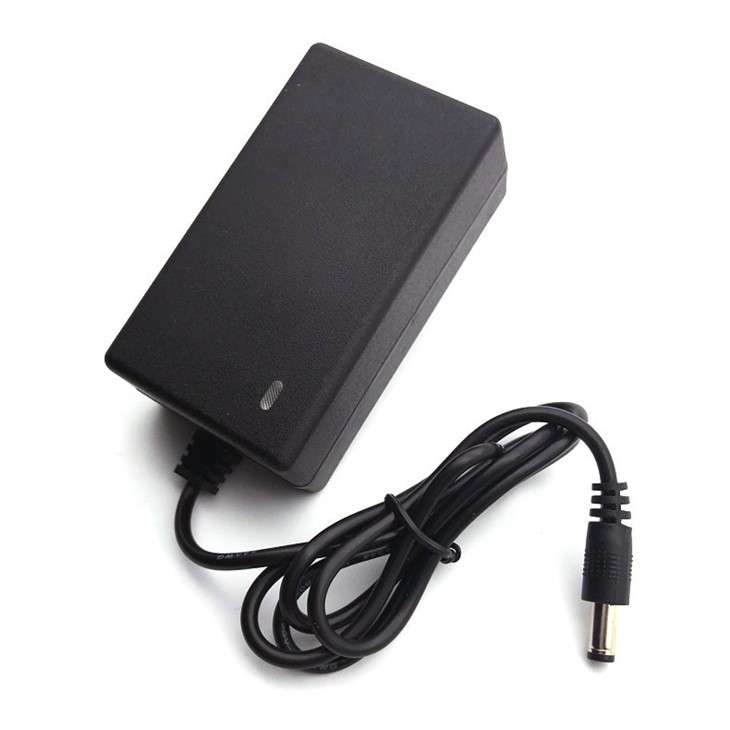
If you buy from an unknown or untrustworthy source, such as a street vendor or an online marketplace with no seller verification, you're more likely to get a counterfeit charger. Stick to authorized retailers or well - established online stores.
Comparison with a Known Genuine Product
If you have access to a known genuine charger from the same brand, compare it with the one you suspect to be counterfeit. Look at the physical appearance, including the size, shape, and color. Check the labeling, build quality, and performance side by side. Any significant differences could indicate that the charger in question is a fake.
In conclusion, being able to identify a counterfeit USB wall charger is essential for the safety of your devices and yourself. By paying attention to the packaging, build quality, performance, certification, price, supplier reputation, and making comparisons, you can make a more informed decision when purchasing a charger.
If you're in the market for high - quality, authentic USB wall chargers, including 12v 24v AC Adapter Plug and wall plug output 12v 1.5a power adapter, we're here to assist you. We pride ourselves on providing reliable chargers that meet all the necessary safety and performance standards. Contact us to discuss your procurement needs and let's start a fruitful business relationship.
References
- UL Standards for Safety: https://ulstandards.ul.com/
- CE Certification Information: https://ec.europa.eu/growth/single-market/european-standards/harmonised-standards/ce-marking_en
- FCC Certification Details: https://www.fcc.gov/certification